Enterprise, ERP & CRM integration
Connect business applications using APIs and event-driven workflows. Define data ownership, synchronization rules, exception handling, and traceable exchange between systems.

Bring applications, financial platforms, and operational data into a coherent workflow. We design integrations and payment experiences around security, reconciliation, and the realities of your business processes.
Define the scope around your existing systems, priorities, and operating requirements.
Connect business applications using APIs and event-driven workflows. Define data ownership, synchronization rules, exception handling, and traceable exchange between systems.
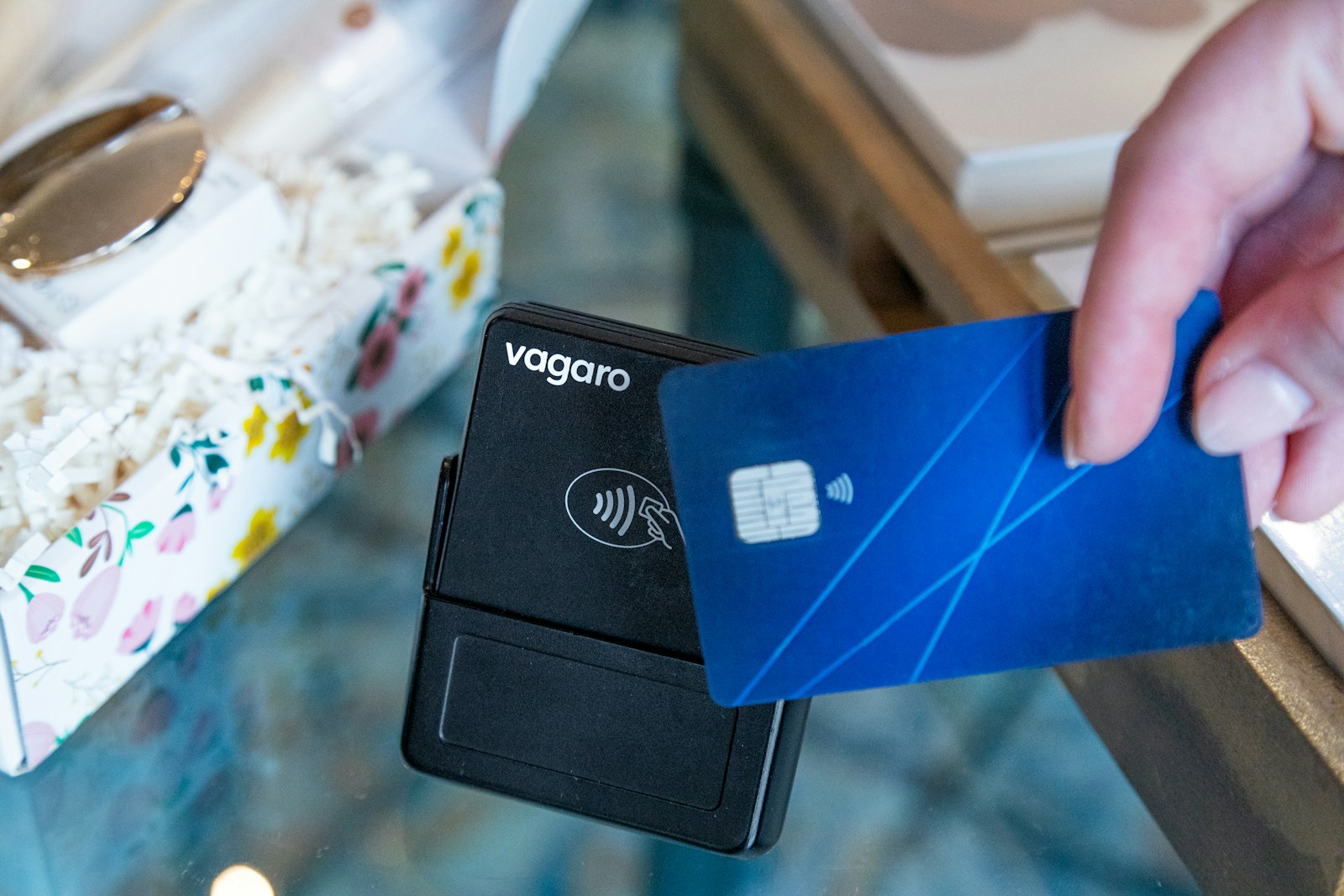
Integrate suitable payment providers into applications and portals. Configure supported payment methods and provider controls according to the selected processor and business requirements.
Build customer payment experiences and staff-facing virtual terminal workflows. Plan recurring payment logic, consent, access permissions, and payment status updates.
Use provider-hosted or tokenized approaches to reduce exposure to sensitive card data. Align integration design with the organization’s PCI DSS responsibilities and selected provider capabilities.
Connect processor risk controls, application validation, and review workflows. Design handling for unsuccessful transactions, retries, refunds, and operational exceptions.
Connect payment events to financial reporting and reconciliation. Plan transaction throughput, data consistency, monitoring, and support processes around expected volumes.
Evaluate whether distributed-ledger technology fits your workflow, then scope application integration, smart-contract interfaces, and transaction tracking. Network selection, key custody, security review, and ongoing operation are defined before implementation.
Connect compatible devices, sensors, gateways, and cloud platforms using documented interfaces. Build telemetry pipelines, monitoring dashboards, alerts, and enterprise system connections, with device identity and access controls considered from the start.
Example engagement scenarios, shaped to the needs of your organization.
Deliverables, responsibilities, acceptance criteria, and support are agreed during project scoping.
We review the systems’ APIs, payment-provider features, and financial workflows. The integration can connect transaction events, customer records, accounting entries, and exception handling according to the agreed scope.
Where the selected provider supports it, hosted payment components and tokenization can reduce direct exposure to card data. The final design and PCI DSS responsibilities depend on the integration method and payment environment.
These workflows can be scoped where supported by the selected processor, merchant account, and applicable business requirements. Eligibility, payment-method restrictions, authorization, and user permissions are confirmed during design.
We define how provider events are matched to internal financial records, including timing differences and exceptions. Retry handling, duplicate prevention, refunds, and reporting are designed around the agreed workflow.
We assess device protocols, vendor APIs, connectivity, and data requirements. The scope can include telemetry ingestion, dashboards, alerts, and business-system integration for compatible devices. Hardware readiness and access requirements are confirmed during planning.
We begin with the business problem and compare a distributed ledger with conventional alternatives. If it is appropriate, we define network integration, data flows, transaction handling, and security responsibilities. Key custody and specialist audits require explicit scoping.
Tell us about your technology priorities.
Let's find a practical way forward.
360 Florence Ave, Suite 103
Hillside, New Jersey 07205
Send an inquiry or request a call with Qyron Tech.
Having trouble viewing the form? Open our contact form or email info@qyrontech.com.